 News Note · IDAEO AI News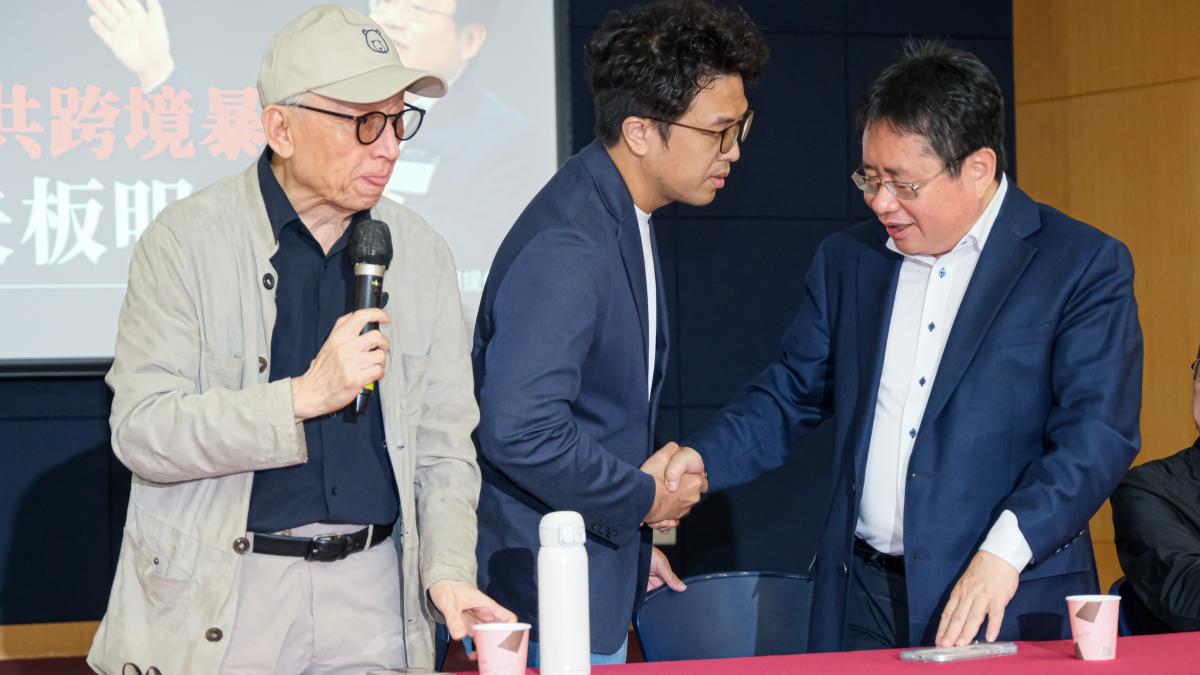
Story Text
The recent attack on Japanese media figure Yabuta Akio has sparked a political storm. Police quickly arrested a Hong Kong suspect. The incident occurred shortly after the implementation of China's 'Law on Promoting Ethnic Solidarity and Progress' (commonly known as the 'Law on Promoting Ethnic Solidarity'), leading some political figures and media outlets to accuse 'cross-border suppression' and immediately establish a causal relationship with the law, potentially turning it into a universal script.
The 'Law on Promoting Ethnic Solidarity' script now includes a 'cross-border suppression' plot. Such accusations carry highly serious political and legal implications. Fitting a single violent incident into a 'framework' undermines the ability to recognize genuine state-backed 'cross-border suppression.' In reality, the law involves concepts of national unity and state interests. Whether Yabuta Akio's attack is related remains to be clarified through legal investigation; violence and promoting unity are likely two different issues.
The focus regarding Yabuta Akio's attack should be on causality, not chronological order. Accusing that the event occurred after the law's implementation does not represent a direct correlation. Building political narratives based on timing risks 'forced interpretation' fallacies. If 'sequential order' is equated with 'causal establishment,' it naturally leads to premature judgments of 'cross-border suppression.' 'Cross-border suppression' is indeed a major concern for international academia and democratic nations, as authoritarian regimes may use legal, diplomatic, cyber, and proxy violence to suppress overseas dissidents, making it a key national security issue.
There is no need to hastily label Yabuta Akio's attack with 'Law on Promoting Ethnic Solidarity' or 'cross-border suppression.' First, let the judiciary fully clarify the crime's motive. Only evidence-based conclusions can withstand scrutiny, rather than treating 'Law on Promoting Ethnic Solidarity' as a universal script.
- Author is a column interview writer