ニュース本文
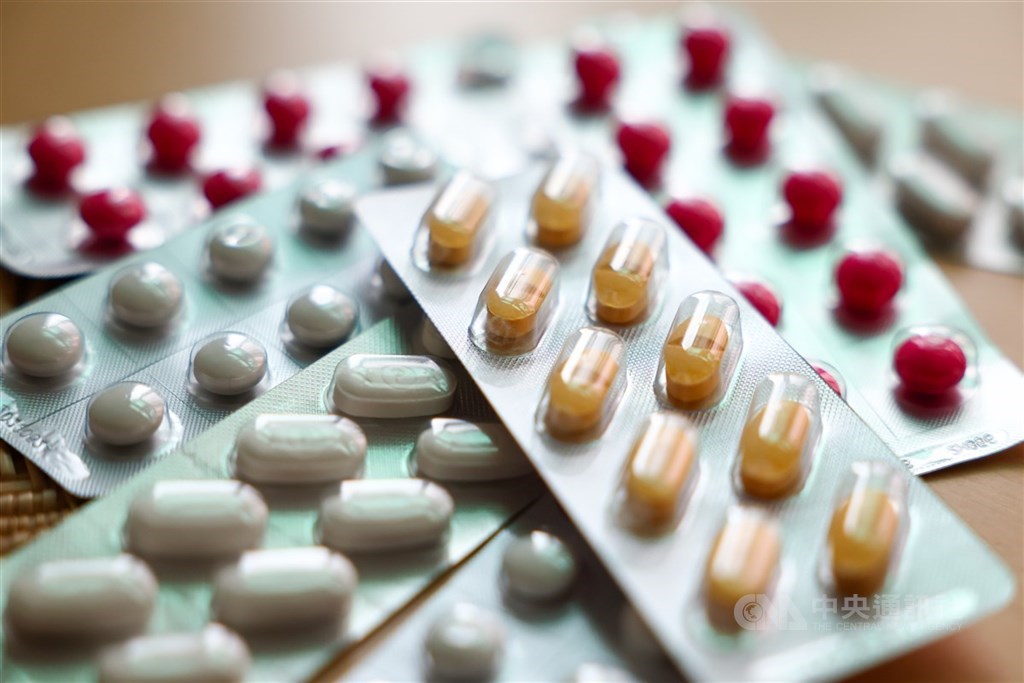
Central News Agency(CNA) - To prevent a recurrence of drug shortages, the Food and Drug Administration (FDA) of the Ministry of Health and Welfare has announced draft regulations for the reporting and notification of essential drugs. These drafts require items on the essential drug list to report their inventory, manufacturing volume, import, and supply plans on a regular basis, categorized by their risk of shortage.The FDA announced on June 22nd the repeal of the "Regulations for the Notification, Registration, and Special Approval for Manufacturing and Import of Essential Drug Shortages" and simultaneously announced the drafting of two new regulations: the "Regulations for Reporting and Notification of Essential Drugs" and the "Regulations for Drug Shortage Registration and Special Approval for Manufacturing and Import."According to the draft, a two-month public comment period (June 22 to August 22) will be held to gather opinions from all sectors. The announcement will proceed according to established procedures, with completion expected by the end of the year and official implementation starting next year.Huang Mei-chen, a senior technical specialist in the FDA's Drug Administration Division, explained in a phone interview with media today that the Pharmaceutical Affairs Act was amended and promulgated by presidential decree on March 4th of this year. In conjunction with this, the original authorizing provisions were repealed and new authorizing regulations were established, including amendments to Article 27-2 and the addition of Article 27-3 of the Act.Huang stated that in accordance with the amendments to the parent law, the FDA is repealing the old regulations and announcing two new subordinate regulations. These new regulations expand the notification mechanism, which was previously only triggered "when a shortage occurred," to include "regular reporting" requirements.Huang pointed out that past regulations required manufacturers to notify the authorities six months before a foreseen drug shortage (or within 30 days in cases of force majeure), which was a passive early warning system. The new system requires "essential drugs" to regularly report their supply status, regardless of whether a shortage has occurred.Regarding the frequency of regular reporting, the FDA plans to implement a "risk-based classification" management system. Huang explained that if a drug has a history of shortages or is assessed as requiring close monitoring, the reporting frequency will be increased to "quarterly." This report will cover inventory, manufacturing volume, import volume, and future supply plans. For drugs with a stable supply record, reporting will remain "annual."As for the scope of application, Huang stated that it will continue to focus on the "essential drug" list. According to the latest list announced last year, there are currently 584 drugs under monitoring. The new system aims to more precisely grasp the reserves and supply-demand planning of essential drugs in the country and prevent drug shortage crises.The FDA indicated that if a pharmaceutical company fails to report in accordance with Article 27-2, Paragraph 1 of the Pharmaceutical Affairs Act, or provides false information, or fails to notify within the time limit stipulated in Paragraph 2 of the same article, the penalties will be in accordance with Article 96-1 of the Pharmaceutical Affairs Act. The central health authority may publicly announce the name, address, responsible person's name, drug name, and details of the violation of the pharmaceutical company. In cases of serious violations or repeated offenses, a fine of NT$60,000 to NT$300,000 may be imposed. (Editor: Chen Ching-fang) 1150625Stand with facts, your every donation is a force to protect press freedomDownload the CNA "First News" APP for real-time updatesText, images, and videos on this website may not be reproduced, publicly broadcast, publicly transmitted, or used without authorization.